
Simple Habit That Makes a Big Difference
Time is one of the few resources we all shared equally. Your day can be shaped positively or negatively by how you use your hours, regardless of whether you are a professional, a student, or the head of a busy household.
The good news is:
- You need better habits, not more time.
- How you approach your day can transform your life, leading to productivity and peace of mind.
You don’t necessarily work longer hours than the world’s most successful people. They have mastered the art of making gradual, impactful adjustments. These are simple routines that have a significant impact without taking up too much of your time.
What Is Energy Management?
Saving electricity may be the topic of a quick search, but personal energy management is about controlling your mental, emotional, and physical energy to maximise your performance.
Every day, we all have a certain amount of energy when we wake up. We spend the day doing chores, spending time with family, working, and even engaging in social events. We need to refuel through sleep, food, and life-affirming activities to continue.
The main concept is to schedule your most crucial duties for when you have the most energy. Some folks work best before lunch since they are morning people. Others come to life at night. If you are conscious of your rhythm, you can work with your body instead of against it.
The Power Of Energy Givers
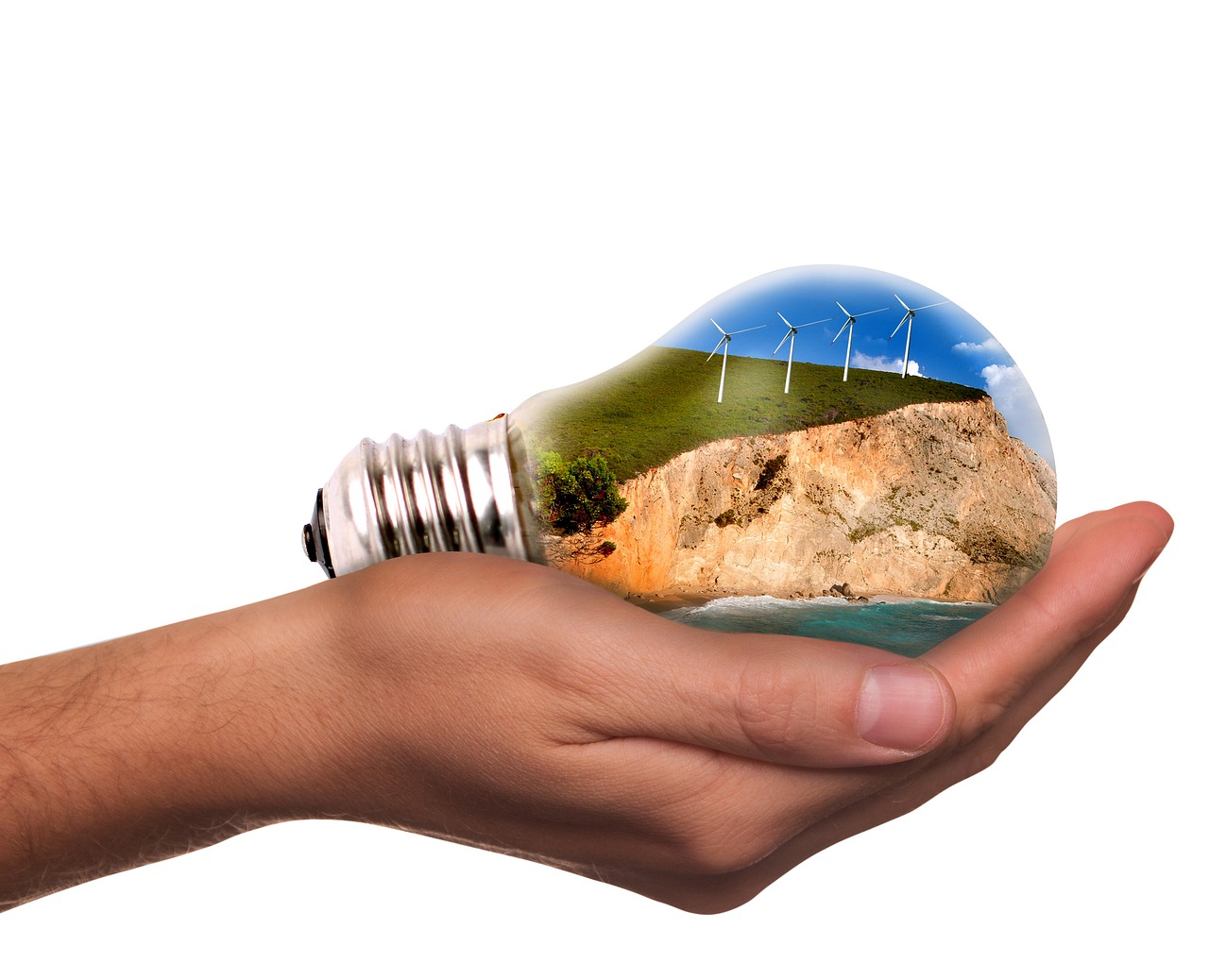
Eventually, you will run out of energy, no matter how hard you try. Consider yourself a rechargeable battery that requires a plug to replenish its energy stores. Energy givers include routines and even people who make you feel renewed and inspired.
You can try the following energy-giver:
- Listening to music
- A short walk
- Drinking cold water
- Fresh air or sunshine
- A healthy meal or snack
Focus on the things that make you feel happier and more alive. Make sure to incorporate these into your everyday routine, as they are your personal energy givers.
Making Small Changes to Your Routine Can Lead to:
- Increase concentration and output
- Reduce the level of stress.
- Making better use of your time.
- Achieve your goal more effectively.
- Get more done in less time.
- An improved balance between work and life.
- A more direct route to reaching your objectives.
- Make more room for the important things, such as family, hobbies, and rest.
5 Practical Energy Management Tips
After learning the definition of energy management, let us examine some useful implementation strategies.
1. Know Your Peak Energy Times
After a week of tracking your energy, you will know when you are most awake and productive.
- For instance, I think most effectively from 9 a.m. until 1 p.m.
Once you are aware of when you are most productive, plan your most critical or cognitively taxing chores during those times. Save simpler chores for times when you have less energy, such as folding laundry or responding to emails.
2. Set a Daily Limit
Establish clear daily limitations because you have limited energy.
This may mean limiting yourself to:
- Only two or three social events every week.
- A daily limit on the number of meetings.
- Instead of making multiple trips, run errands in one big day.
You can save your energy for the things that are truly important by setting boundaries.
3. Fuel Your Body with the Right Foods

The food you eat provides your body with energy. Instead of sugar rushes and crashes, choose meals and snacks that offer steady energy levels.
Excellent foods to boost vitality include:
- A banana
- Eggs
- Nuts and seeds
- Oatmeal
- Sweet potatoes
- Salmon and Avocado
Because even mild dehydration can lead to weariness, maintaining adequate hydration is equally important.
4. Employ Breathing Methods
Although we breathe instinctively, breathing under control might enhance our energy levels. Breathing deeply makes you feel more alert because it improves the amount of oxygen that reaches your brain and muscles.
Try this easy workout:
- Take four deep breaths through your nose.
- Hold your breath for four seconds.
- Breathe out slowly for 6-8 seconds via your mouth.
When you are feeling exhausted, repeat for a few minutes. This will make you feel both more relaxed and more energized.
5. Frequently Take Little Breaks
We are not designed to concentrate for eight hours at a time. According to studies, we perform best when working in 25-50 minute bursts interspersed with brief pauses.
Use your breaks to:
- Stretch or walk around
- Get some water
- Get some fresh air by going outside
- Perform a brief breathing technique.
You may avoid burnout and maintain consistent energy levels throughout the day by taking these micro-breaks.
The value of taking rest periods at work is that it supports mental focus on productivity.
Why Energy Management Beats Time Management
The goal of time management is to fit tasks into your calendar, but if you plan something for a time when you are feeling low on energy, it can take longer or not be finished at all.
Because energy management works with your body’s natural rhythms, you are taking on things when you have the drive and focus to finish them. This entails getting better outcomes faster and without experiencing fatigue.
Final Thoughts
Energy has a finite supply and is precious. It could be time to incorporate energy management into your routine if you have been depending just on time management.
Use your energy suppliers, set limits, and identify peak energy hours. Make sure you eat healthily, take regular breaks, and plan your days in accordance with your natural rhythm.
Inspiration